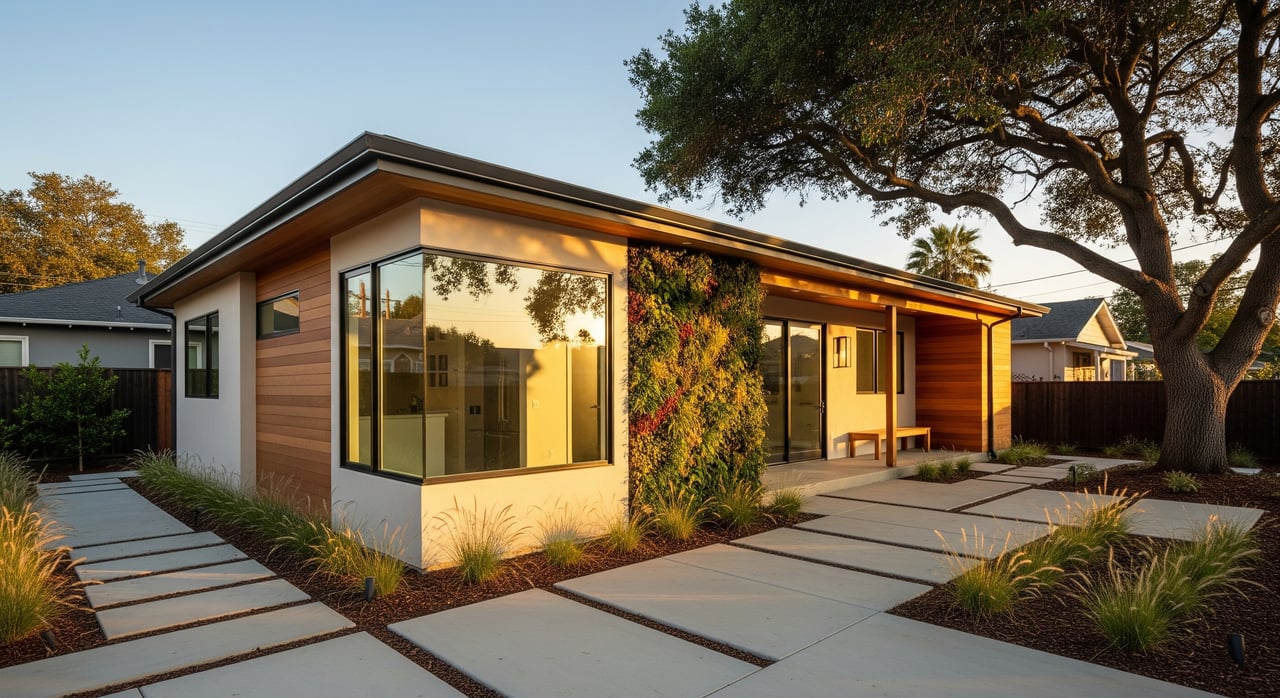
Adding an accessory dwelling unit can open new possibilities for your Oak Park property. Maybe you want a quiet office, space for multigenerational living, or rental income to offset your mortgage. If you are wondering how California rules and Ventura County standards come together on your lot, you are not alone. In this guide, you will learn what counts as an ADU, how approvals work in unincorporated Oak Park, and the practical steps to move from idea to plans. Let’s dive in.
ADU basics in California
An accessory dwelling unit is a secondary home on the same lot as your primary residence. Common types include:
- Detached ADU, a separate new structure
- Attached ADU, added to the main home
- Conversion ADU, created from existing space like a garage or accessory building
- Junior ADU (JADU), a small unit within the main home’s footprint that may share some facilities
State housing laws are designed to support ADU production. When your plans meet objective standards, approvals are typically ministerial, which means a non-discretionary review focused on clear rules. State law also narrows local limits on owner occupancy, parking mandates, and minimum lot sizes. That said, your final design must still meet local standards on size, height, setbacks, and utilities. The exact numbers and interpretations are set and administered by Ventura County.
ADUs are not the same as short-term rentals. If you plan to rent, you must follow local rental, business license, or transient occupancy tax rules.
Oak Park rules and who approves what
Oak Park is an unincorporated community governed by Ventura County. Several departments may be involved in your ADU:
- Ventura County Planning Division reviews land use, setbacks, height, lot coverage, and objective design standards. Projects that meet these standards typically follow a ministerial path.
- Ventura County Building and Safety handles building permits, plan checks, inspections, and Title 24 energy compliance.
- Ventura County Environmental Health reviews onsite wastewater systems for properties on septic.
- The local fire authority reviews fire access, defensible space, and ignition-resistant materials, especially given wildfire risk.
- Your water and sewer provider confirms meter capacity, connections, and related fees.
- The County Assessor advises on property tax implications.
Think of planning and building as your main approvals, with Environmental Health, Fire, and utilities weighing in on specific safety and infrastructure items.
Key site factors in Oak Park
Sewer or septic
Some Oak Park homes connect to public sewer. Others rely on septic systems. If you are on septic, Environmental Health must confirm your system can support an ADU. Many projects need a system upgrade or replacement to meet current codes for additional bedrooms or occupants.
Water service and meters
Water districts may require a new meter or an upgrade depending on the ADU’s size and projected demand. Availability, capacity, and connection fees are set by your provider.
Fire safety and access
Oak Park faces wildfire risk. Your plans may need to address driveway width, fire apparatus access and turnarounds, defensible space, and ignition-resistant construction. These requirements can influence where you place a detached ADU and the materials you select.
Slopes and geotechnical conditions
Hillside parcels, small lots, and constrained sites often face added grading, drainage, or foundation needs. These conditions affect design and budget, even when your ADU qualifies for ministerial approval.
Easements, setbacks, and coverage
Utility easements, required setbacks, and lot coverage limits guide the footprint and location of a detached ADU. A careful site map helps you identify workable options before you finalize a plan.
HOAs and CC&Rs
Private covenants can limit or shape ADUs in a way public rules do not. Review your CC&Rs and consult an attorney if needed. Private restrictions are separate from state and county requirements.
What you can build
Most Oak Park homeowners explore four paths: converting existing space, building an attached unit, building a detached unit, or adding a JADU within the main home. Your lot layout, infrastructure, and fire access will help determine the best fit.
- Unit size and design. California sets certain ceilings and minimum allowances, while Ventura County adopts precise local standards within those bounds. Confirm the county’s current size limits and height rules before you finalize plans.
- Parking. State rules reduce parking requirements in many situations, such as when you convert a garage or when certain proximity-to-transit conditions apply. Ventura County will outline the objective standards and any exemptions that apply.
- Owner occupancy. Recent laws limit owner-occupancy mandates for ADU owners. Always confirm current Ventura County policy if occupancy is a concern for your financing or rental strategy.
- Utilities and fees. Impact and connection fees must be reasonable and proportionate to the size of the ADU under state guidance. Expect plan check, building permits, and possible water or sewer connection fees. Fire review fees may also apply.
- Renting your ADU. Most ADUs can be rented, subject to county rules. If you explore short-term stays, verify registration and transient occupancy tax requirements.
Permits, fees, and timeline
When your design meets objective standards, the county’s ministerial process can move faster than discretionary review. Plan check timing depends on workload, completeness of your submittal, and whether multiple departments must sign off. Projects that need variances or cannot meet objective standards take longer.
Costs vary widely. Converting existing space is often more economical than a ground-up detached unit, especially if you are on septic or have fire access upgrades. Expect your timeline to span several months to more than a year from early design to final inspection. Your budget should include design, permitting, potential utility upgrades, site work, and construction.
Step-by-step plan for Oak Park homeowners
- Confirm jurisdiction and utilities. Make sure your property is in unincorporated Ventura County. Determine if you are on public sewer or septic and identify your water provider.
- Request Ventura County’s ADU checklist. Connect with the Planning Division for objective standards, required submittals, and the ministerial process.
- Address septic early if applicable. If you have a septic system, contact Environmental Health to evaluate capacity and upgrade requirements.
- Schedule a fire access review. Confirm driveway access, turnarounds, defensible space, and any ignition-resistant construction needs.
- Map constraints. Pull a site plan that shows setbacks, easements, slopes, trees, and utilities. This helps you choose between conversion, attached, detached, or a JADU.
- Engage your team. Consult a licensed architect or designer and a contractor experienced with Ventura County ADUs. Consider a permit expediter if your timeline is tight.
- Build your budget. Gather plan check and permit fee estimates from Building and Safety, plus water and sewer connection fees from your providers. Include contingencies for grading, utility trenches, and fire-related work.
- Submit complete plans. A clean submittal that meets objective standards helps you stay on the ministerial track. Be ready to respond quickly to plan check comments.
- Prepare for inspections. Expect inspections across key stages, including foundation, framing, electrical, plumbing, and final.
- Plan for rental compliance. If you intend to rent, confirm county registration steps and any business license or tax obligations.
Financing, taxes, and insurance
Homeowners often compare home equity loans, cash-out refinancing, construction loans, and private financing for ADUs. Each option has different underwriting and draw schedules. For property taxes, consult the County Assessor or a tax professional about potential reassessment and any available relief for certain conversions. Review your homeowner’s insurance and consider separate coverage for the ADU once completed.
Common pitfalls to avoid
- Skipping a septic review when you are not on public sewer. This can stall your project or require costly last-minute redesigns.
- Underestimating fire access and defensible space needs. Driveway width, turnarounds, and vegetation management can affect your layout.
- Forgetting easements, setbacks, and coverage. A quick survey of constraints can save weeks in redesign.
- Relying on rough size assumptions. Ventura County sets local numeric standards within state rules. Confirm them before you lock in design decisions.
- Ignoring CC&Rs. Private covenants may set additional limits that apply even when the county approves your plans.
- Choosing a team without local experience. Familiarity with Ventura County process, fire requirements, and septic rules can streamline approvals.
Next steps and local contacts
- Ventura County Planning Division for ADU handouts, objective standards, and zoning confirmation.
- Ventura County Building and Safety for permit application, plan check requirements, and inspection scheduling.
- Ventura County Environmental Health for septic system evaluation and approvals.
- Local fire authority and CAL FIRE maps for fire access and defensible space requirements.
- Your water and sewer provider for meter capacity, connection availability, and fees.
- County Assessor for assessment and property tax guidance related to ADUs.
If you gather these details up front, you will have a clear path to a compliant, buildable ADU that fits your lot and goals.
Ready to explore your ADU potential in Oak Park? If you would like a local sounding board and a plan that aligns with your broader real estate goals, connect with Madeleine Gillibrand. Schedule a free consultation and get practical, neighborhood-informed guidance.
FAQs
What types of ADUs are allowed in Oak Park?
- Detached, attached, conversion of existing space, and Junior ADUs are typical options, with feasibility shaped by setbacks, utilities, fire access, and site conditions.
How big can my Oak Park ADU be?
- California sets broad limits, but Ventura County adopts exact local size and height standards. Confirm current county numbers before finalizing your design.
Do I need to live on the property to add an ADU?
- State law limits local owner-occupancy requirements for ADUs, though other safety and registration rules still apply. Verify current Ventura County policy.
Are parking spaces required for an Oak Park ADU?
- State rules reduce parking in many cases, such as certain conversions or proximity to transit. Ventura County outlines the objective parking standards and any exemptions.
What if my property is on a septic system?
- Environmental Health must review capacity. Many septic properties need a system upgrade or replacement to support an ADU.
How long do ADU permits take in Ventura County?
- Ministerial approvals that meet objective standards typically move faster, while projects needing variances take longer. Expect several months or more depending on scope.
Can I rent my ADU in Oak Park?
- Most ADUs can be rented subject to county rules. Short-term rentals may require registration and transient occupancy taxes. Confirm current requirements before listing.