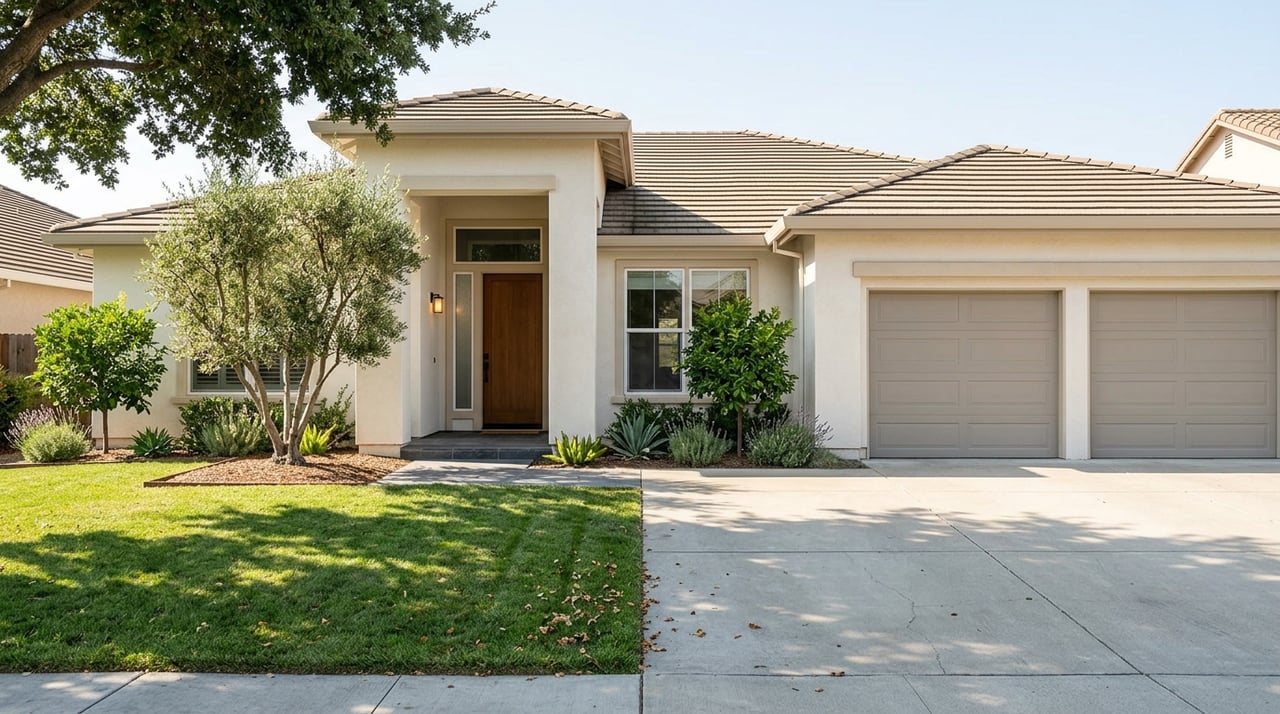
Thinking about moving up in Simi Valley? The hard part is usually not deciding that you need more space. It is figuring out how to sell, buy, budget, and time everything without creating unnecessary stress. If you are planning your next step in this market, a clear strategy can help you make smarter decisions with more confidence. Let’s dive in.
Understand the Simi Valley market first
A move-up purchase starts with knowing what kind of market you are stepping into. In Simi Valley, the market is still competitive, with homes receiving about two offers on average and selling in roughly 42 days according to Redfin. Over the three months ending April 2026, the median sale price was $833,320, while Zillow reported 287 homes for sale and a median sale price of $812,167 in March 2026.
These numbers should be treated as a range, not a single exact benchmark, because the data comes from different time periods and measurements. Still, the bigger picture is clear. Buyers do not have unlimited time, and sellers cannot assume every listing will soar past expectations either.
About 33.4% of homes sold above list price, while 23.1% had price drops. That tells you the market rewards the right pricing and preparation. For move-up buyers, it also means your purchase plan needs to be realistic, fast enough to compete, and flexible enough to handle changing conditions.
Look at neighborhood price bands
Citywide median prices only tell part of the story. If you are moving from a starter or mid-range home into a larger property, your target neighborhood may sit in a very different price range.
Wood Ranch is a good example. Redfin reports a median sale price there of $1,029,617, with homes spending about 43 days on market and a 99.6% sale-to-list ratio. That is a meaningful jump from the citywide median in the low-to-mid $800,000s.
This matters because a move-up plan is really about the gap between your current home and your next one. Before you start touring homes, it helps to define your likely price band by neighborhood, property type, and must-have features. That gives you a more accurate picture of how much cash, equity, and monthly payment room you may need.
Decide whether to sell first
For many move-up buyers, selling first is the simpler path. Consumer guidance from the CFPB notes that if you want to move, you normally try to sell your current home before buying another one. That approach can make your finances clearer and reduce the risk of carrying two homes at once.
Selling first can also strengthen your offer on the purchase side. In a competitive market like Simi Valley, a cleaner offer with fewer moving parts often gives you a better chance. If your current home is already sold, you can usually shop with a firmer budget and fewer timeline surprises.
The tradeoff is timing. You may need temporary housing, a rent-back arrangement, or a very organized transition plan if your sale closes before your replacement home is ready. This is where early planning matters most.
Know when a contingent offer makes sense
A contingent offer means your purchase depends on certain conditions being met. California DRE explains that offers can include contingencies tied to loan qualification, repairs, pest control inspections, home inspections, and home warranty programs. The CFPB also recommends making purchase offers contingent on financing and a satisfactory inspection.
For move-up buyers, one of the biggest questions is whether to make your offer contingent on selling your current home. In some situations, that can be a practical tool for managing risk. In others, it can make your offer less appealing, especially when homes are receiving multiple offers.
In Simi Valley, that balance matters. Since many homes are still attracting competition and some buyers waive contingencies, your contingent offer needs to be thoughtful and well supported. A strong preapproval, a realistic sale timeline, and clear communication can help make your offer more credible.
Contingencies are not a weakness. They are a risk-management tool. They can protect you if financing falls through or an inspection uncovers serious problems, but if an accepted offer becomes a binding contract, failing to complete the purchase can affect whether your deposit is returned.
Start with a stronger budget
A move-up purchase usually costs more than the new mortgage alone. California DRE says buyers should generally expect a down payment of 5% to 20% plus another 3% to 7% for closing costs. That means your cash needs may be larger than expected, especially if you are also preparing your current home for sale.
The CFPB also reminds buyers to budget for property taxes, insurance, repairs, closing costs, moving costs, new furniture, and home improvements. For many households, these extra costs are what make a move-up purchase feel tighter than it looked on paper.
A practical move-up budget should include:
- Estimated sale proceeds from your current home
- Down payment target for the next home
- Closing costs on the purchase
- Costs to prepare and sell your current home
- Moving expenses and short-term overlap costs
- Immediate repairs, updates, or furnishing needs
- HOA dues, special taxes, or assessments if applicable
California DRE also recommends identifying any special taxes, assessments, or HOA dues that could affect your monthly expenses. That is especially important when you are comparing neighborhoods or larger homes with higher carrying costs.
Get preapproved before you shop seriously
In a move-up situation, preapproval is not just a box to check. It helps you understand your buying power and shows sellers that you are likely able to secure financing. California DRE recommends working with a respected lender before shopping seriously, and the CFPB notes that sellers often require a preapproval letter before accepting an offer.
That said, preapproval is not a guaranteed loan offer. It is an important early step, but your lender will still need to verify details later in the process. For that reason, it helps to keep your finances steady while you are buying and avoid major changes that could affect qualification.
If you are relying on proceeds from your current home, talk through those details early. A move-up purchase often depends on timing, equity access, and clear lender guidance. The earlier you map that out, the fewer surprises you are likely to face later.
Plan for Ventura County property taxes
One of the most overlooked parts of a move-up purchase is property tax. In Ventura County, Proposition 13 limits the tax rate to 1% of assessed value, plus voter-approved bonds and direct assessments. When a property changes ownership or has new construction, it is generally reassessed.
That reassessment can change the math more than many buyers expect. If you are buying a more expensive home, your new assessed value may be much higher than the one on your current property. Ventura County also states that the supplemental roll makes the new value effective immediately after a change in ownership or new construction.
In plain terms, that means you should budget for supplemental property taxes, not just the regular annual tax bill. Ventura County notes that annual secured tax bills are mailed on or before November 1, with installments due December 10 and April 10. A move-up purchase can bring a tax adjustment that shows up sooner than expected.
Proposition 19 may help some buyers
Some move-up buyers may have an important tax planning opportunity. Ventura County notes that under Proposition 19, certain homeowners who are 55 or older, disabled, or victims of wildfire or another natural disaster may transfer a lower assessed value to a replacement principal residence up to three times anywhere in California.
For eligible homeowners, that can materially change the cost of moving up. It may reduce the property tax impact enough to make a replacement home more affordable over time. If you think you may qualify, this is worth reviewing early while you are comparing options.
Because tax treatment depends on eligibility and timing, it helps to factor this into your planning before you write offers. It can influence both your target budget and your long-term ownership costs.
Build a clean closing strategy
Closing a move-up purchase involves more than signing paperwork. The CFPB notes that closing often includes third-party services such as title insurance and settlement services. It also notes that borrowers who choose their own providers often save money.
That is one reason to research closing services early instead of waiting until the last minute. When your sale and purchase are happening close together, even small delays or cost surprises can create stress. A well-organized closing plan helps keep your timeline more predictable.
A simple closing checklist can include:
- Confirming your lender timeline
- Reviewing likely closing costs early
- Researching title and settlement service options
- Understanding when your sale proceeds will be available
- Planning movers and utility transfers in advance
- Setting aside cash for tax adjustments and immediate home needs
Make timing your top priority
In Simi Valley, move-up success is usually about synchronizing timing, budget, and contract structure. The market is active enough that you cannot assume the right home will wait. At the same time, careful planning still matters because not every listing moves at the same pace, and some homes do see price drops.
If you rush the sale of your current home, you may lose leverage. If you wait too long to prepare financing and strategy, you may miss the right purchase. The sweet spot is a coordinated plan that gives you a realistic budget, a strong offer position, and a clear path from one home to the next.
That is where local guidance can make a real difference. Neighborhood pricing, buyer competition, and property tax details all affect the move-up equation in Simi Valley. The more local and specific your plan is, the smoother your next step is likely to be.
If you are thinking about selling your current home and buying your next one in Simi Valley, Madeleine Gillibrand can help you build a strategy that fits your timeline, budget, and goals.
FAQs
What does a move-up purchase in Simi Valley mean?
- A move-up purchase usually means selling your current home and buying a larger, newer, or better-located home that better fits your current needs and budget.
Is Simi Valley a competitive market for move-up buyers?
- Yes. Current market data shows Simi Valley remains competitive, with homes receiving multiple offers on average and a meaningful share selling above list price.
Should you sell your current home before buying another in Simi Valley?
- In many cases, yes. Selling first can simplify your budget and make your next offer stronger, though the right approach depends on your finances and timing needs.
What is a contingent offer when buying a home in Simi Valley?
- A contingent offer is an offer with conditions, such as financing or inspection terms, and sometimes the sale of your current home, that must be satisfied before the purchase moves forward.
How much cash do you need for a move-up purchase in California?
- California DRE says buyers should generally expect a down payment of 5% to 20% plus about 3% to 7% for closing costs, along with moving and ongoing ownership expenses.
Will buying a new home in Ventura County change your property taxes?
- Usually yes. A change in ownership generally triggers reassessment, and Ventura County says buyers should also be prepared for supplemental property taxes after closing.
Can Proposition 19 help move-up buyers in Ventura County?
- It may help eligible homeowners who are 55 or older, disabled, or victims of wildfire or another natural disaster transfer a lower assessed value to a replacement principal residence, subject to the county’s rules.
Why is preapproval important for a Simi Valley move-up purchase?
- Preapproval helps you understand your budget and shows sellers you are likely able to secure financing, which can strengthen your position in a competitive market.